
Digital Casino Activity Cycles: Examining Transaction Patterns Across Peak and Off-Peak Hours
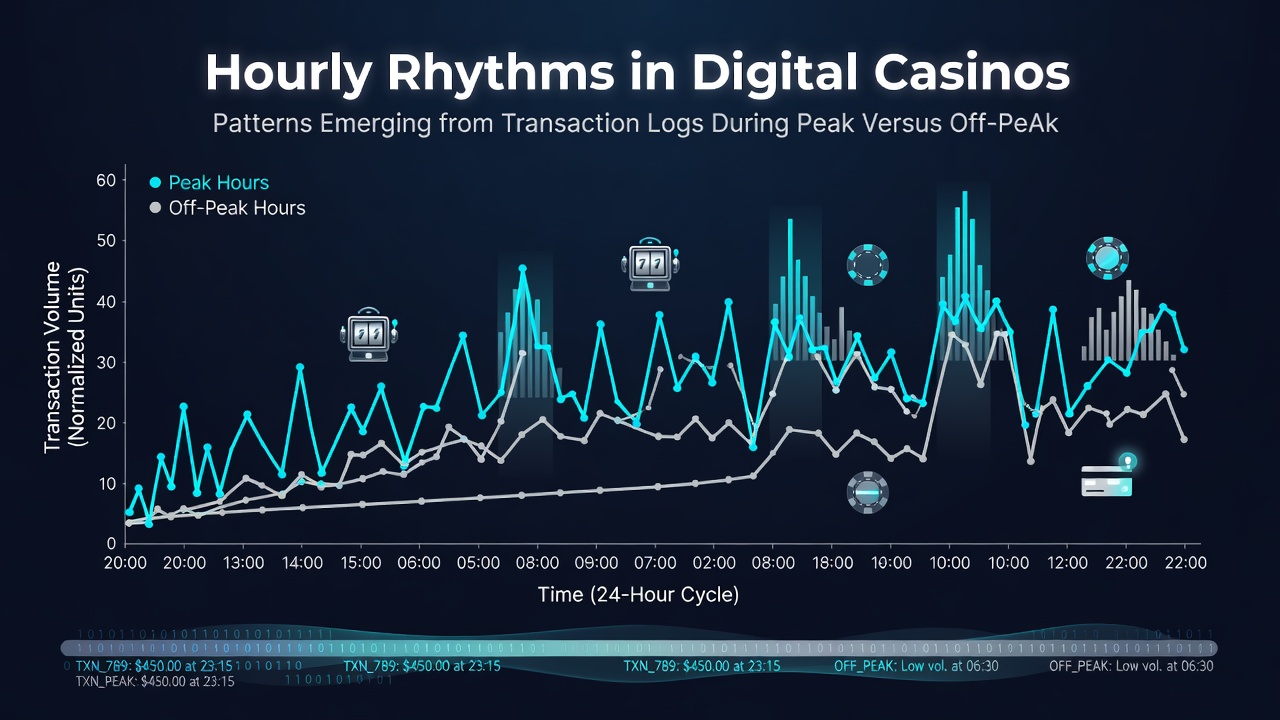
Transaction logs from digital casinos show distinct hourly patterns that separate peak periods from quieter stretches, and researchers have compiled extensive datasets to track these shifts across multiple platforms. Data from large-scale operators indicate that deposit volumes rise sharply between 6 PM and midnight in many time zones, while withdrawal requests cluster during early morning hours when activity slows. Studies tracking thousands of accounts reveal that bet sizes tend to increase during evening peaks, whereas off-peak windows feature smaller, more frequent wagers spread across longer sessions.
Peak Period Characteristics in Transaction Records
Transaction records collected during peak hours demonstrate elevated deposit activity, often coinciding with major sporting events or weekend evenings, and analysts note that average transaction amounts climb by measurable margins compared with daytime baselines. Payment processor reports from North American operators highlight that credit card and e-wallet inflows peak around 8 PM to 11 PM local time, while European platforms register similar surges shifted to align with regional schedules. Observers tracking these logs point out that game selection also changes, with slots and live dealer tables seeing higher engagement rates during these windows, whereas table game participation sometimes dips in favor of quicker spin-based options.
Off-Peak Transaction Behaviors and Log Insights
Off-peak intervals, typically spanning late night through mid-morning, produce transaction logs marked by steadier but lower-volume activity, and account data shows players extending session lengths while reducing individual bet amounts. Research compiled by academic groups in Canada and Australia confirms that withdrawal processing requests increase during these quieter stretches, possibly reflecting players cashing out after extended play periods. Figures from regulatory filings indicate that bonus redemption rates remain consistent across both peak and off-peak times, yet the overall frequency of deposits drops noticeably outside evening hours.
Data Patterns Emerging from Multi-Platform Analysis
Comprehensive reviews of archived transaction logs across several jurisdictions reveal recurring hourly rhythms that operators now use to adjust server loads and promotional timing, and one analysis of over 2 million entries found that average session duration lengthens by roughly 20 percent during off-peak hours. Industry reports from the Ontario Lottery and Gaming Corporation document similar trends in regulated markets, where peak-hour deposits correlate with increased use of instant payment methods. Those reviewing European datasets note parallel structures, with transaction spikes aligning to local evening entertainment schedules rather than a universal global clock.
Regulatory Context and September 2026 Developments
Updated compliance requirements scheduled for September 2026 in several North American and Australian markets will require operators to maintain more granular hourly transaction records, and these changes aim to improve detection of irregular patterns across time zones. Government agencies have already begun pilot programs that cross-reference deposit timing with player location data, producing preliminary findings that show distinct behavioral clusters tied to specific hours. Trade associations tracking these preparations report that platforms are investing in enhanced logging systems capable of flagging anomalies during both peak and off-peak windows without disrupting normal operations.
Comparative Regional Variations in Hourly Activity
Transaction logs from Asia-Pacific operators display shifted peak windows that align with evening leisure periods in those regions, whereas North American data clusters around post-work hours, and European records split between early evening and late-night surges depending on the country. Academic studies published through research institutions in multiple countries consistently identify these regional offsets, showing that global platforms must calibrate their systems to accommodate overlapping yet distinct hourly rhythms. Payment volume comparisons drawn from 2025 datasets further illustrate how off-peak activity in one region often overlaps with peak activity elsewhere, creating continuous but varying transaction flows across a 24-hour cycle.
Conclusion
Transaction log analysis continues to map clear hourly distinctions between peak and off-peak casino activity, and ongoing data collection through 2026 will likely refine these observations further. Operators and regulators alike rely on these documented patterns to maintain system stability and compliance across different time zones and market conditions.